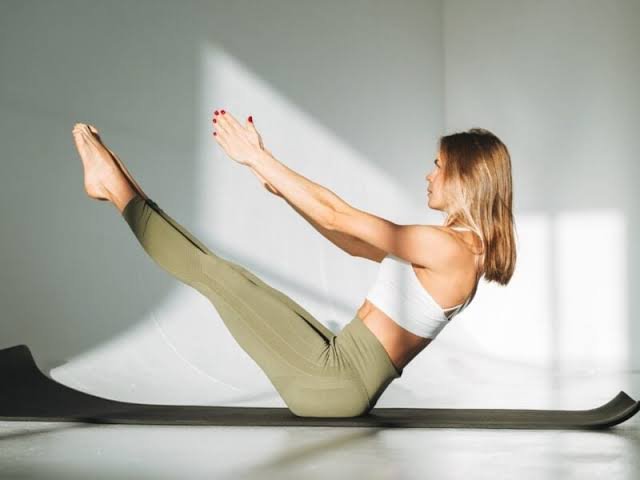
Professional development in movement education often begins with a desire to deepen personal knowledge. People who regularly practise Pilates may become interested in understanding its principles more thoroughly or sharing the method with others. A structured qualification can provide a pathway for developing teaching knowledge, practical skills and professional confidence.
Before selecting a course, it is important to understand what a qualification represents, what the programme includes and how it fits into longer-term career goals.
What a Pilates Qualification Can Cover
A Pilates education programme may introduce the history and principles of the method, exercise technique, anatomy, movement observation and teaching practice.
Depending on the course, students may study mat work, specialised equipment or a broader training pathway. Some programmes also include class planning, communication and practical assessment.
The exact content differs between providers. Applicants should read the syllabus rather than assuming that every course covers the same material.
Why Practical Learning Is Important
Understanding an exercise in theory is different from teaching it to another person. Practical sessions allow students to practise demonstrations, give instructions and observe movement.
Feedback from educators can help trainees improve their cueing, class organisation and ability to make appropriate adjustments.
A strong learning experience should provide opportunities to apply knowledge rather than relying only on written materials or demonstrations.
Choosing a Suitable Course
When considering a pilates certificate, begin by identifying your goals. You may want to deepen personal practice, develop introductory teaching skills or work towards a broader professional pathway.
Compare the following details:
- Programme length and structure.
- Entry requirements.
- Subjects covered.
- Practical teaching hours.
- Assessment methods.
- Trainer qualifications and experience.
- Completion and certification requirements.
- Additional costs and learning materials.
Ask the provider to explain what the certificate confirms and whether further study or supervised practice is recommended.
Understanding Anatomy and Exercise Principles
Movement education often includes basic anatomy and biomechanics. These subjects help students understand how the body moves and how exercise choices can be adjusted.
Learners may study posture, joint movement, muscle function and breathing patterns. This knowledge can support safer class planning and clearer explanations.
It is equally important to recognise professional boundaries. A Pilates qualification does not automatically authorise someone to diagnose injuries, provide medical treatment or make claims outside their scope of practice.
Developing Communication Skills
An instructor needs to communicate in a way that participants can understand. Clear instructions help people follow the sequence and recognise the intended movement.
Good teaching also involves listening. Participants may have different levels of experience, mobility and confidence. Instructors should respond respectfully and offer appropriate alternatives when necessary.
The ability to explain an exercise simply is often more useful than using complex terminology that participants may not understand.
From Qualification to Professional Practice
Completing a course can be an important milestone, but professional development continues afterwards. New instructors may benefit from observing experienced teachers, gaining supervised practice and attending additional workshops.
Employment opportunities may exist in studios, fitness centres and private teaching environments. Requirements vary by employer and location, so it is important to understand local expectations before applying for work.
Instructors should also consider professional insurance, studio policies, continuing education and participant safety procedures.
Maintaining Professional Standards
A responsible instructor should keep learning and review their teaching approach regularly. They should understand how to adapt exercises within their competence and when to refer a participant to a qualified healthcare professional.
Respect for privacy, consent and individual limitations is also essential. Participants should not be pressured into movements that feel uncomfortable or exceed their current ability.
Professional conduct helps create a supportive learning environment and strengthens trust between instructors and participants.
Frequently Asked Questions
1. What does a Pilates certificate usually represent?
It indicates that a learner has completed a particular programme’s stated requirements. The subjects, assessments and professional recognition vary by provider, so applicants should check the details.
2. Is a certificate enough to teach every type of Pilates class?
Not necessarily. Some classes or equipment may require additional training, experience or qualifications. Instructors should work within the scope of their education and competence.
3. Should I continue learning after completing a course?
Yes. Continued education and practical experience can help instructors improve their skills, stay informed and respond more effectively to participants’ needs.
Conclusion
A structured Pilates qualification can help learners develop a foundation in movement principles, anatomy and teaching practice. Choosing the right programme requires careful comparison of its curriculum, practical experience and certification requirements. Professional growth continues beyond course completion through supervised practice, responsible teaching and ongoing education.