Scroll through a Dubai car rental catalogue and you will see the automotive industry’s arguments laid out in a single list. On one row sits a Chinese flagship SUV designed around software, screens and electrified efficiency. A few rows down is an Italian supercar whose value still rests on emotion, sound and nearly a century of racing heritage. Both are aimed at people with money to spend, and both brands are adding electricity in their own way. Yet they answer the question “what should a premium car be?” in almost opposite terms.
For readers in India, where Chinese EV makers are steadily expanding and European luxury brands are fighting to stay relevant, this contrast is more than a curiosity. Dubai works as a showroom for the region, and the cars on its rental lists offer an early look at what buyers elsewhere may soon be weighing up. Here is a side-by-side look at the two philosophies.
The contenders
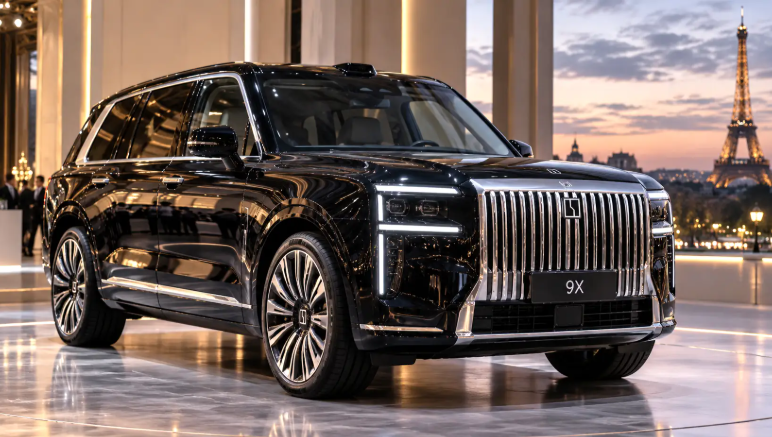
Zeekr 9X. Zeekr is the premium electric brand of China’s Geely group, best known for battery-electric models. The 9X breaks that pattern. This flagship pairs batteries with a petrol engine in a plug-in hybrid layout, a first for the brand, and seats six in a big, upright SUV body. It is designed to carry a family in lounge-like comfort and to wrap them in a dense layer of digital technology.
Ferrari. Ferrari needs little introduction. Its rental line-up in the UAE typically spans front-engined grand tourers and mid-engined berlinettas, some powered by V8 or V12 engines, others by newer hybrid drivetrains that combine combustion with electric assistance. The brand’s priority is the driving experience, and every technical decision serves that end.
Curious drivers who want to judge the Chinese approach in person rather than through launch videos can browse zeekr 9x hire dubai listings and spend a few days with one on real roads, which reveals far more than a showroom walk-around.
Electrification: pragmatism versus performance
Both brands use electricity, but for different reasons. In the Zeekr, the plug-in hybrid setup is about practicality. It allows quiet electric running in the city and removes range worries on long highway stretches, which matters in a region where distances between emirates are significant and the charging network is still filling in. It is a hedge, and an intelligent one, for buyers who like the idea of an EV but are not ready to depend on chargers entirely.
In Ferrari’s hybrid models, electrification is first a performance tool. Electric motors fill gaps in the power delivery, sharpen throttle response and enable short bursts of silent running, while the combustion engine remains the star. The hybrid hardware exists to make the car faster and more responsive, not to make it frugal.
The cabin as a computer
Step inside the Zeekr and the design brief is obvious: the interior is a connected device on wheels. Expect large, high-resolution displays, a heavy reliance on voice and touch control, ambient lighting schemes and rear-seat entertainment that turns the back row into a private lounge. Software updates are central to the ownership model, so the car is meant to improve over time.
A Ferrari cabin, by contrast, is built around the driver. Screens exist and are increasingly sophisticated, but the focus is the steering wheel, where key controls are clustered so hands never leave it. Passengers are welcome; they are just not the point. Technology here is curated to avoid distraction rather than to entertain.
Engineering heritage versus speed of iteration
Ferrari’s strength is depth. Decades of motorsport feed into aerodynamics, chassis tuning and the way weight moves through a corner. The result is a car that feels alive at the limit and communicates constantly with the person driving it. Development cycles are deliberate, and each model is expected to become a collectible.
Chinese manufacturers have built their advantage on speed. New platforms, battery chemistries and software features arrive at a pace that legacy brands struggle to match, and vertical integration with supply chains keeps costs under control. The Zeekr 9X represents that strategy in its most upmarket form: lots of technology, delivered quickly, wrapped in a design that wants to be taken seriously in the luxury segment.
What renting each one teaches you
Spending time with the two cars makes the contrast tangible. A day in the Zeekr shows what everyday premium motoring could feel like in a few years, with calm, quiet and constant connectivity. A day in a Ferrari reminds you why some people will always want a machine that rewards skill and stirs the senses.
Who gets the keys to a prancing horse is up to the individual rental company, and the bar is usually higher than for an everyday saloon. Those ready for the Italian side of the argument can rent a Ferrari in Dubai on Yango Drive, where offers from different rental companies sit side by side, making it easier to compare models and terms before committing.
Plan the drive itself with some care. Dubai’s roads are heavily monitored by speed cameras, and the best experiences come from scenic routes rather than straight-line bravado: the coastal roads, the climb up Jebel Jais in Ras Al Khaimah, or the empty highways towards Hatta early in the morning.
The evening problem
There is one scenario where even the most capable car is the wrong tool. Many people book a supercar specifically to arrive somewhere memorable for dinner, whether a rooftop restaurant in Downtown or a beach club on the Palm. The UAE enforces a zero-tolerance policy on drinking and driving, so if wine is part of the plan, the car needs to stay parked.
The simple solution is to leave the Ferrari at the hotel after the afternoon drive and use a taxi app Dubai residents rely on to get back after dinner.
So where is car tech going?
Both ways at once. Mainstream premium cars are converging on the Zeekr model, where software is central, electrification is pragmatic and comfort comes first. At the very top of the performance market, brands like Ferrari are using the same electric technology to amplify emotion rather than replace it. The two cars sharing a Dubai rental list is a neat snapshot of an industry that has not settled on a single future, and drivers are getting the chance to try both before they decide which one they want to own.