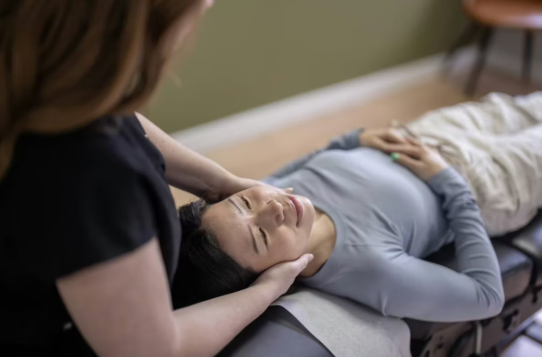
Pain can affect nearly every part of a woman’s daily life. Whether it comes from long hours at a desk, physical activity, pregnancy-related changes, poor posture, repetitive movements, aging, or everyday stress, ongoing discomfort can make simple tasks feel difficult. While medication may provide relief for some people, many women are also interested in natural and supportive approaches that can help them manage pain without relying solely on medication.
One option that may complement a broader pain-management plan is chiropractic care. Chiropractic treatment generally focuses on the relationship between the spine, joints, muscles, movement, and nervous system. Depending on the cause of pain and an individual’s health needs, a chiropractor may use spinal adjustments, mobilization, soft-tissue techniques, exercise recommendations, posture education, and other conservative strategies.
However, chiropractic care is not a universal solution for every type of pain. The most appropriate approach depends on the underlying cause, symptoms, medical history, and individual goals. This article explores natural pain-management strategies for women and explains how chiropractic care may fit into a balanced approach.
Understanding Pain in Women
Pain can develop for many different reasons, and women may experience discomfort in areas such as the lower back, neck, shoulders, hips, knees, and other joints. Lifestyle factors can contribute to pain just as much as injuries or medical conditions.
For example, sitting for extended periods may place additional stress on the neck and lower back. Carrying children, lifting objects, exercising without proper technique, or repeatedly performing the same movement can also contribute to muscle and joint discomfort.
Women may also experience changes in posture and body mechanics during pregnancy and after childbirth. Hormonal and physical changes can influence how the body moves and distributes weight. During perimenopause and menopause, changes in activity levels, muscle mass, and other factors may also affect overall comfort and mobility.
Because pain has many possible causes, identifying the source is an important first step before choosing a management strategy.
See also: Tenda Router Price in Kenya: What the Cost Reflects
What Is Natural Pain Management?
Natural pain management refers to approaches that aim to support comfort, movement, and overall well-being without depending exclusively on medication. These strategies can often be combined according to a person’s needs.
Common approaches include:
- Regular low-impact physical activity
- Stretching and mobility exercises
- Strength training
- Proper sleep habits
- Stress-management techniques
- Maintaining healthy body weight
- Improving posture and ergonomics
- Heat or cold therapy when appropriate
- Physical therapy
- Chiropractic care
- Mind-body practices such as yoga or controlled breathing
Natural approaches do not necessarily mean avoiding conventional healthcare. In many cases, the best pain-management plan combines lifestyle strategies with appropriate medical evaluation and treatment.
How Chiropractic Care May Support Pain Management
Chiropractic care is a conservative approach that emphasizes musculoskeletal health and physical function. A chiropractor typically evaluates movement, posture, joint function, and areas of discomfort before recommending treatment.
Depending on the individual, chiropractic care may include manual adjustments, joint mobilization, soft-tissue techniques, stretching, strengthening exercises, and advice about daily movement patterns.
The goal is generally not simply to make pain disappear temporarily. Instead, treatment may focus on improving mobility and helping a person move more comfortably while addressing contributing factors.
Supporting Spinal Mobility
The spine plays an important role in posture and movement. Limited spinal mobility can sometimes contribute to stiffness or discomfort, particularly when combined with prolonged sitting or repetitive activities.
Chiropractic techniques may be used to improve joint movement in appropriate patients. Better mobility may make everyday activities such as bending, walking, turning, or exercising more comfortable.
Addressing Neck and Shoulder Discomfort
Modern lifestyles often involve extended periods of computer, phone, and tablet use. Spending hours with the head tilted forward or the shoulders positioned poorly may contribute to neck and upper-back discomfort.
A chiropractor may assess posture and movement while providing appropriate manual treatment and exercises. Recommendations might include adjusting screen height, taking movement breaks, strengthening supporting muscles, and changing workstation habits.
These changes can be particularly useful because treatment inside the clinic is only one part of managing recurring discomfort.
Supporting Lower Back Comfort
Lower back pain is one of the most common musculoskeletal complaints among adults. It can be associated with prolonged sitting, lifting, repetitive movements, physical inactivity, or other factors.
For certain types of uncomplicated mechanical low back pain, chiropractic care may be considered as part of conservative management. Treatment can potentially be combined with exercises that improve core and hip strength, mobility, and movement control.
The important point is that persistent or severe back pain should not automatically be assumed to be a simple alignment problem. A qualified healthcare professional should evaluate symptoms when the cause is uncertain or concerning.
Exercise as a Natural Pain-Management Strategy
Movement is one of the most valuable tools for maintaining physical function. Avoiding all activity because of pain can sometimes contribute to weakness and stiffness.
The right exercise depends on the person’s condition and fitness level. Walking, swimming, cycling, gentle mobility exercises, resistance training, and stretching can all have a place in a well-rounded routine.
A chiropractor may recommend specific exercises based on an individual’s movement limitations. In other cases, referral to a physical therapist may be more appropriate, especially when structured rehabilitation is needed.
The objective should be gradual progress rather than pushing through severe pain.
The Importance of Strength Training
Strength training can be especially valuable for women who want to maintain mobility and independence as they age.
Stronger muscles can support joints and make daily activities easier. Exercises targeting the legs, hips, back, abdomen, and upper body can improve overall physical capacity.
Women who are new to resistance training should begin with manageable movements and focus on technique. A qualified professional can help determine appropriate exercises, particularly when previous injuries or significant pain are present.
Posture and Ergonomics Matter
Posture is often discussed as if there is one perfect position that everyone should maintain. In reality, the body benefits from changing positions regularly.
Even a relatively comfortable posture can become uncomfortable if maintained for hours without movement.
Women who work at computers can consider:
- Keeping the monitor at a comfortable viewing height
- Supporting the lower back when needed
- Keeping frequently used items within easy reach
- Taking short movement breaks
- Alternating between sitting and standing when possible
- Avoiding prolonged phone use with the neck bent forward
Chiropractic care may include ergonomic education to help patients identify habits that could be contributing to recurring discomfort.
Sleep and Pain Management
Quality sleep is another important part of natural pain management. Poor sleep can make discomfort feel more difficult to tolerate, while ongoing pain can interfere with sleep, creating a frustrating cycle.
Women can support healthier sleep by maintaining a consistent schedule, creating a comfortable sleeping environment, limiting stimulating activities before bed, and addressing factors that interfere with rest.
If pain repeatedly wakes you at night or prevents normal sleep, it is worth discussing the problem with a healthcare professional rather than simply trying to tolerate it.
Stress Management and Muscle Tension
Stress can influence how the body responds to discomfort. During stressful periods, people may unconsciously tighten their shoulders, jaw, neck, or other muscles.
Relaxation strategies such as deep breathing, meditation, gentle yoga, walking, journaling, or other calming activities may help reduce overall tension.
Chiropractic care can be one component of a broader wellness routine, but it should not be viewed as a treatment for every physical or emotional consequence of stress.
Go Silverlining Chiro
Go Silverlining Chiro is dedicated to helping patients improve their spinal health, mobility, and overall well-being through personalized chiropractic care. Its approach focuses on individual needs, supporting comfortable movement, reducing everyday discomfort, and encouraging healthy habits for an active lifestyle.
Chiropractic Care During Different Stages of Life
Women’s physical needs can change throughout life. A pain-management strategy that works for one stage may not be suitable for another.
During Pregnancy
Pregnancy can change posture, balance, weight distribution, and movement patterns. Some women experience back, hip, or pelvic discomfort as their bodies adapt.
Women considering chiropractic treatment during pregnancy should choose a qualified practitioner who has appropriate experience working with pregnant patients. Treatment should be individualized, and coordination with the woman’s prenatal healthcare provider may be appropriate.
After Childbirth
The postpartum period can involve significant physical demands. Feeding, carrying, lifting, prolonged sitting, and caring for an infant may contribute to neck, shoulder, back, or wrist discomfort.
A gradual return to movement and strengthening can be useful. Chiropractic care may be considered as part of conservative musculoskeletal care when appropriate.
However, postpartum symptoms should not automatically be attributed to normal recovery. Significant, worsening, or unusual symptoms require medical evaluation.
Women Over 40
As women get older, maintaining strength, flexibility, balance, and mobility becomes increasingly important. Regular movement and resistance training can help support physical function.
Chiropractic care may complement these habits by addressing certain musculoskeletal complaints and encouraging better movement patterns.
Chiropractic Care Is Usually Part of a Bigger Plan
One of the most important things to understand is that chiropractic treatment does not have to stand alone.
A comprehensive pain-management strategy might combine chiropractic care with:
- Appropriate medical evaluation
- Exercise and strengthening
- Mobility work
- Ergonomic improvements
- Healthy sleep habits
- Stress management
- Nutrition and hydration
- Physical therapy when indicated
This combined approach recognizes that pain is influenced by multiple factors rather than one isolated part of the body.
When Women Should Seek Medical Attention
Natural pain-management strategies are not appropriate substitutes for urgent medical care when warning signs are present.
Women should seek prompt medical evaluation for symptoms such as severe or rapidly worsening pain, significant trauma, unexplained weight loss, fever, new weakness or numbness, loss of bladder or bowel control, chest pain, difficulty breathing, or other unusual symptoms.
Pain that persists despite reasonable conservative care should also be evaluated to determine whether another underlying problem is involved.
How to Choose a Chiropractic Provider
If you are considering chiropractic care, take time to choose a properly qualified practitioner.
Consider asking:
- What is causing or potentially contributing to my symptoms?
- What treatment approach do you recommend?
- What are the expected benefits and possible risks?
- Are exercises part of the treatment plan?
- How will progress be measured?
- When should I seek additional medical evaluation?
- Do you have experience with my particular concern?
A good practitioner should be willing to explain the reasoning behind recommendations rather than promising guaranteed results.
Real-Life Example: Managing Desk-Related Pain
Consider a woman who works at a computer for eight hours each day and regularly experiences neck and upper-back discomfort.
Simply receiving treatment without changing daily habits may provide only temporary improvement. A more comprehensive approach could involve chiropractic assessment, workstation adjustments, regular movement breaks, neck and upper-back exercises, and better sleep habits.
Over time, these changes may help her develop healthier movement habits and improve her ability to work comfortably.
Real-Life Example: Returning to Activity After Back Discomfort
Another woman may develop lower back discomfort after becoming less active for several months. Rather than immediately returning to intense workouts, she might begin with walking and gentle mobility exercises.
If appropriate, chiropractic care could be incorporated alongside progressive strengthening. The emphasis would be on gradually rebuilding physical capacity rather than searching for a single treatment that eliminates every symptom.
Benefits of a Personalized Approach
Pain is personal. Two women can have similar symptoms but completely different causes.
That is why individualized care is important. A treatment plan should consider age, activity level, lifestyle, previous injuries, medical history, work demands, exercise habits, and personal goals.
For one woman, improving workstation ergonomics may make the biggest difference. For another, strengthening the hips and core may be more important. Someone else may need medical testing before manual treatment is considered.
Personalized care helps ensure that pain management focuses on the person rather than simply the symptom.
Frequently Asked Questions
Can chiropractic care naturally relieve women’s pain?
Chiropractic care may help some women manage certain musculoskeletal pain and improve movement. Results vary depending on the underlying cause and individual circumstances. It should be viewed as one possible component of a broader pain-management strategy.
Is chiropractic care safe for women?
Chiropractic treatment is generally considered a conservative approach, but it is not risk-free. Appropriate treatment depends on the person’s health, symptoms, and medical history. A qualified practitioner should evaluate whether chiropractic care is suitable.
Can chiropractic care replace pain medication?
Not necessarily. Some women may use conservative treatments to reduce their reliance on medication, but medication decisions should be made with an appropriate healthcare professional. Do not stop prescribed medication without medical guidance.
What natural strategies can be combined with chiropractic care?
Depending on individual needs, chiropractic care may be combined with exercise, stretching, strength training, ergonomic improvements, healthy sleep habits, stress management, and other appropriate healthcare services.
How long does chiropractic care take to work?
There is no universal timeline. Some people may notice changes relatively quickly, while others require a longer period of conservative care. Progress should be monitored based on pain, function, mobility, and individual goals.
Should women see a doctor before visiting a chiropractor?
If pain is severe, unexplained, persistent, associated with concerning symptoms, or follows significant trauma, medical evaluation is important. Even when symptoms appear musculoskeletal, a healthcare professional can help determine the most appropriate care pathway.
Final Thoughts
Natural pain management for women is not about finding one magic solution. It is about building a practical strategy that supports movement, strength, recovery, and quality of life.
Chiropractic care may have a role for women experiencing certain musculoskeletal problems, particularly when it is combined with exercise, mobility work, ergonomic improvements, and healthy lifestyle habits. The focus should be on individualized care rather than assuming that every type of pain comes from the same cause.
Women can take an active role in managing their physical well-being by paying attention to movement, posture, sleep, activity levels, and recurring pain patterns. When symptoms persist or raise concerns, professional evaluation is essential.
Ultimately, the most useful approach is one that is safe, personalized, and focused on helping each woman move through everyday life with greater comfort and confidence.