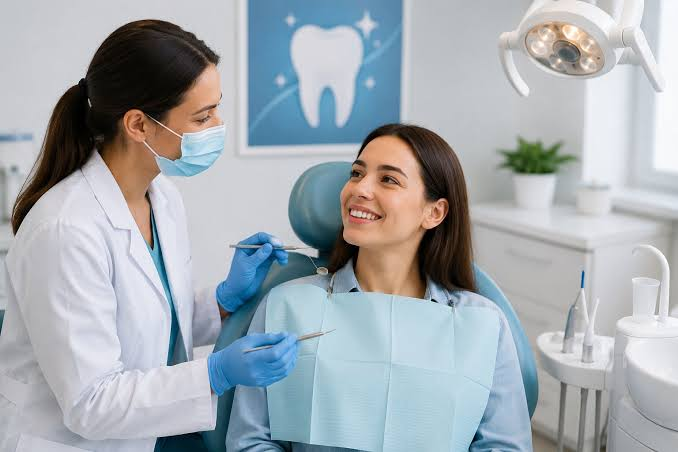
Preventive dental care is an essential part of maintaining a healthy smile and supporting overall well-being. From early childhood to adulthood and older age, taking care of teeth and gums helps reduce the risk of cavities, gum disease, tooth loss, and other oral health problems. Although many people visit a dentist only when they experience pain or discomfort, regular dental care can help identify potential issues before they become more serious.
Understanding the basics of dental hygiene, healthy eating, professional checkups, and age-appropriate oral care makes it easier for individuals and families to maintain strong teeth throughout life. With consistent daily habits and guidance from a dental professional, preventive care can become a simple and effective part of any healthy lifestyle.
Understanding Preventive Dental Care
Preventive dental care includes the daily habits and professional services that protect teeth, gums, and other oral tissues from disease. Its main purpose is to maintain oral health rather than wait until a problem develops.
Common preventive practices include brushing twice a day with fluoride toothpaste, cleaning between teeth, limiting sugary foods and drinks, and visiting a dentist regularly. Depending on individual needs, a dental professional may also recommend fluoride treatments, dental sealants, professional cleanings, or other preventive services.
These measures help remove plaque, strengthen tooth enamel, reduce harmful bacteria, and identify early signs of dental problems. Preventive care can also help people understand their personal oral health risks and make informed decisions about their daily routines.
Preventive Dental Care for Children
Childhood is an important stage for developing lifelong dental habits. Baby teeth help children chew comfortably, speak clearly, and maintain space for permanent teeth. Even though these teeth eventually fall out, they still require proper care.
Parents should begin cleaning a baby’s mouth before the first tooth appears. Once the first tooth emerges, it should be brushed gently with an age-appropriate toothbrush and a small amount of fluoride toothpaste. Children younger than three generally need a rice-sized smear, while children aged three to six generally need a pea-sized amount, with adult supervision.
Parents should assist with brushing until children have the coordination to clean their teeth effectively, usually around seven or eight years old. Children should also learn to clean between teeth when neighboring teeth touch.
A child’s first dental visit should take place by the first birthday or within six months of the first tooth appearing. Regular visits allow the dentist to monitor tooth development, discuss feeding habits, and identify early signs of decay.
Dental sealants may be recommended to protect the chewing surfaces of permanent molars. These thin protective coatings help prevent food and bacteria from collecting in the grooves of teeth.
Maintaining Healthy Teeth During Adolescence
Teenagers experience changes that can affect oral health, including the development of permanent teeth, orthodontic treatment, and changing dietary habits. Frequent consumption of sugary snacks, soft drinks, and energy drinks can increase the risk of tooth decay and enamel erosion.
A consistent brushing and flossing routine is particularly important for teenagers wearing braces. Food particles can become trapped around brackets and wires, making careful cleaning necessary. Special orthodontic brushes or interdental cleaning tools may help remove debris from difficult-to-reach areas.
Teenagers and parents seeking guidance about braces or other orthodontic treatments can consult an orthodontist Elk Grove, CA to learn about treatment options and how to maintain good oral hygiene throughout orthodontic care.
Teenagers involved in sports should consider wearing a properly fitted mouthguard to protect their teeth from accidental injuries. Those who experience persistent bad breath, bleeding gums, tooth sensitivity, or jaw discomfort should discuss these symptoms with a dental professional.
Building healthy habits during adolescence helps establish a foundation for better oral health in adulthood.
Preventive Dental Care for Adults
Adults should continue practicing good oral hygiene even when their teeth appear healthy. Plaque can accumulate along the gumline and between teeth, potentially causing cavities and gum inflammation.
Brushing twice daily for approximately two minutes with fluoride toothpaste is a fundamental preventive measure. Using a soft-bristled toothbrush and gentle movements helps clean teeth without unnecessarily irritating the gums. Replacing a toothbrush every three to four months, or sooner when its bristles become worn, can also support effective cleaning.
Cleaning between teeth once daily is equally important because toothbrush bristles cannot reach every surface. Dental floss, interdental brushes, or other recommended cleaning tools can help remove plaque from these areas.
Adults should also pay attention to lifestyle factors. Smoking and tobacco use increase the risk of gum disease and oral cancer. Frequent sugar consumption contributes to tooth decay, while dry mouth can increase the risk of cavities. Certain medications and medical conditions may affect saliva production, making professional guidance especially valuable.
Routine dental appointments allow dentists to examine the teeth and gums, assess existing dental work, remove hardened plaque when necessary, and recommend personalized preventive measures.
Oral Health for Older Adults
As people age, their oral health needs may change. Gum recession, dry mouth, tooth wear, missing teeth, and difficulties with brushing can become more common. However, tooth loss is not an inevitable consequence of aging, and older adults can maintain healthy smiles with appropriate care.
Dry mouth deserves particular attention because saliva helps neutralize acids, wash away food particles, and protect tooth enamel. Drinking water regularly and discussing persistent dryness with a healthcare professional may help identify suitable solutions.
Older adults with arthritis or limited hand mobility may benefit from electric toothbrushes, toothbrushes with larger handles, or other adaptive cleaning tools. People who wear dentures should clean them according to professional instructions and maintain regular dental checkups, even if they no longer have natural teeth.
Dental professionals can also examine oral tissues for unusual sores, patches, or other changes that may require further assessment. Prompt attention to persistent abnormalities supports early diagnosis and appropriate treatment.
The Importance of Regular Dental Checkups
Professional dental examinations are a central part of preventive care. During an appointment, a dentist can assess tooth surfaces, gum health, existing restorations, and other areas of the mouth. X-rays may be recommended when clinically necessary to identify problems that cannot be seen during a visual examination.
Professional cleanings remove hardened deposits that ordinary brushing and flossing cannot eliminate. The frequency of appointments depends on personal circumstances, including gum health, cavity history, medical conditions, and other risk factors.
Although some people may need visits every six months, others may require more frequent monitoring. A dentist can recommend a schedule suited to each patient’s needs.
Regular appointments are also an opportunity to ask questions about brushing techniques, sensitivity, bad breath, whitening products, and other oral health concerns.
Nutrition and Its Role in Dental Health
A balanced diet supports healthy teeth and gums. Calcium-rich foods, including milk, yogurt, and suitable alternatives, contribute to strong teeth and bones. Protein-rich foods, vegetables, fruits, and whole grains provide nutrients that support general health.
Sugar deserves special attention because bacteria in dental plaque use sugars to produce acids that damage tooth enamel. The frequency of sugar exposure matters, so repeatedly sipping sweet drinks or eating sugary snacks throughout the day can increase the risk of cavities.
Water is generally an excellent everyday beverage. Fluoridated drinking water, where available, can provide additional protection against tooth decay.
Acidic beverages, including many soft drinks and fruit juices, can weaken enamel over time. When consuming acidic drinks, it is helpful to avoid prolonged sipping and rinse the mouth with water afterward. Waiting about 30 to 60 minutes before brushing can reduce the risk of brushing softened enamel.
Common Dental Problems That Prevention Can Reduce
Preventive care helps lower the risk of several common oral health conditions.
Tooth decay: Regular fluoride toothpaste use, reduced sugar exposure, and professional examinations help protect against cavities.
Gum disease: Brushing, interdental cleaning, and professional plaque removal help control the buildup responsible for gum inflammation.
Bad breath: Good oral hygiene, hydration, and treatment of underlying dental problems can improve persistent bad breath.
Enamel erosion: Limiting frequent exposure to acidic foods and beverages helps protect the tooth’s outer surface.
Tooth loss: Early treatment of cavities and gum disease can help preserve natural teeth for longer.
Prevention cannot eliminate every dental problem, but it significantly supports early detection and healthier outcomes.
Building a Simple Daily Dental Routine
An effective oral care routine does not need to be complicated. Brush in the morning and before bed, clean between teeth daily, and choose water over sugary beverages whenever possible. Maintain a balanced diet and follow professional advice about fluoride products or other preventive treatments.
Parents can encourage children by brushing together, using age-appropriate toothbrushes, and making oral hygiene a consistent part of the daily schedule. Adults can support their routines by keeping dental supplies accessible and scheduling checkups in advance.
It is also important to seek professional advice when experiencing persistent pain, swelling, bleeding gums, loose teeth, or unusual oral changes. Facial swelling accompanied by difficulty breathing or swallowing requires emergency medical attention.
Conclusion
Preventive dental care is valuable at every stage of life. Children benefit from early guidance, teenagers need habits that protect developing permanent teeth, adults require consistent hygiene and professional monitoring, and older adults may need additional support to address changing oral health needs.
By brushing correctly, cleaning between teeth, eating a balanced diet, limiting sugar, and attending regular dental appointments, individuals can reduce their risk of many common dental problems. Prevention is not simply about keeping teeth clean; it is an ongoing investment in comfort, confidence, and long-term oral health.
With practical daily habits and personalized professional guidance, maintaining a healthy smile can remain an achievable goal throughout life.