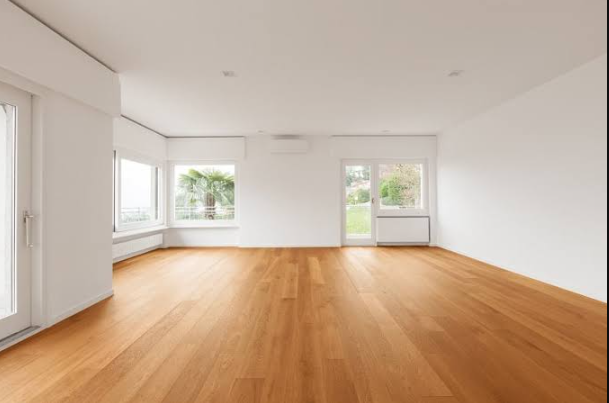
Choosing a hardwood floor color involves more than selecting a shade that looks attractive in a showroom. The right color should work with your room’s natural light, wall colors, furniture, daily activities, and long-term design plans. A floor that looks perfect under showroom lighting may appear completely different in a Brooklyn apartment with limited daylight or large south-facing windows.
For homeowners exploring hardwood flooring Brooklyn NY, understanding these factors before purchasing can help prevent costly design mismatches. From natural European white oak to rich walnut tones, the best choice depends on how the flooring will look and perform in your actual living space.
1. Consider the Natural Light in Your Room
Natural light can significantly influence how hardwood flooring appears throughout the day. North-facing rooms generally receive cooler, less direct daylight, while south-facing rooms often receive warmer and more abundant sunlight. Artificial lighting can also change how warm or cool a floor color appears.
Light-colored flooring, such as natural white oak or pale beige, can help a compact room feel more open. Medium brown tones create a balanced appearance, while dark brown flooring adds contrast and visual depth.
However, lighter flooring does not automatically make every room look larger. Board width, wall color, ceiling height, and furniture placement also affect the overall result.
Practical tip: Place flooring samples near your windows and examine them in morning, afternoon, and evening lighting before making a final decision.
See also: From Holiday Memory to Everyday Art: The Emotional Life of Coastal Photography
2. Match the Floor Color With Your Interior Design
Your flooring should complement the permanent features of your home rather than compete with them. Consider existing cabinets, wall paint, countertops, furniture, and decorative finishes.
- Light oak and natural beige: Work well with minimalist interiors, neutral walls, Scandinavian-inspired spaces, and contemporary furniture.
- Medium brown and warm oak: Complement traditional interiors, wood furniture, cream-colored walls, and transitional designs.
- Dark walnut and espresso: Create a strong contrast with light walls, metallic accents, and carefully selected furniture.
- Gray and greige tones: Suit some contemporary interiors, particularly when paired with restrained color palettes and cool or neutral finishes.
Pay attention to undertones. A floor may appear yellow, red, gray, or neutral depending on the wood species and stain. Compare samples against your cabinets and wall paint to avoid combinations that clash.
3. Understand How Wood Species Affect Color
The species of wood influences both the natural color and the way a stain appears. White oak, for example, typically has light brown heartwood, cream-colored sapwood, and a distinctive grain pattern. Walnut naturally offers deeper brown tones, while maple generally has a lighter appearance.
Stains can change these natural colors, but they cannot make every species look identical. Grain structure and stain absorption affect the final result.
For homeowners considering hardwood flooring Brooklyn NY, European white oak is worth exploring because its natural character works with a broad range of interior styles. Floorika Fine Hardwood offers European white oak engineered flooring alongside solid hardwood options, giving homeowners different construction and design choices.
Before selecting a color, ask to see the actual wood species with the proposed stain and finish. A digital image alone cannot accurately represent every variation in grain, undertone, and surface sheen.
4. Compare Light, Medium, and Dark Hardwood Colors
The following table summarizes the practical differences between common flooring color families. These are general design considerations, not guarantees about how every floor will look.
| Floor color | Visual effect | Maintenance considerations | Suitable interiors |
| Light oak or beige | Creates an airy, understated appearance | Dust and fine debris may be less noticeable, depending on their color | Small rooms, modern and Scandinavian designs |
| Medium brown | Provides warmth and balanced contrast | Everyday dirt may blend in when its color resembles the floor | Traditional, transitional, and family spaces |
| Dark brown or espresso | Adds contrast and a more dramatic appearance | Dust, light-colored debris, and some scratches can stand out | Larger rooms, formal living areas, high-contrast interiors |
| Gray or greige | Creates a cool or neutral contemporary look | Visibility of dirt and scratches depends on the shade and finish | Modern apartments and neutral interiors |
| Natural white oak | Highlights the wood’s grain and natural variation | Performance depends on the finish, texture, and household use | Contemporary, classic, and minimalist homes |
The table illustrates why there is no universally best hardwood floor color. Your lighting, existing furnishings, cleaning routine, and preferred design style should guide the decision.
5. Choose a Finish That Supports Your Lifestyle
Color is only one part of the final appearance. The finish determines the floor’s sheen and influences how visible everyday wear becomes.
According to the National Wood Flooring Association, matte finishes reflect the least light, while gloss finishes reflect the most. Lower-sheen finishes generally make small scratches and other everyday imperfections less noticeable than high-gloss surfaces.
Households with children, pets, or frequent visitors may prefer a matte or satin finish because it offers a less reflective appearance. However, sheen alone does not determine durability. The coating type, wood construction, installation quality, and maintenance routine also matter.
If you are considering refinishing existing floors, remember that changing the stain may be possible without replacing the entire floor. The feasibility depends on the flooring material, existing finish, and available wood wear layer.
6. Account for Sunlight and Long-Term Color Changes
Wood is a natural material, and its color can change with exposure to light. Research from the USDA Forest Products Laboratory explains that ultraviolet radiation can alter the color of wood, including commonly used flooring species.
If your home receives strong direct sunlight, use window coverings where appropriate and ask your flooring professional whether the proposed finish offers UV protection. These measures can help manage discoloration, although they cannot eliminate every color change.
Also consider whether you intend to keep the same furniture, rugs, and wall colors for several years. A neutral wood tone may offer more flexibility if you regularly update your interior design.
7. Test Samples Before Making Your Final Decision
Never select a permanent floor color based exclusively on a small online image or showroom display. Obtain samples of your preferred shades and view them in the actual room.
Check each sample against your walls, cabinets, and furniture. If possible, examine larger samples because individual planks can vary naturally in color and grain.
For hardwood flooring Brooklyn NY, this step is particularly useful when comparing options for apartments, brownstones, and renovated homes with different lighting conditions and existing architectural details.
If you are choosing unfinished flooring, request a stain sample on the actual wood species. For factory-finished products, inspect the product itself and confirm the exact color and finish specification before ordering.
Find Your Ideal Hardwood Floor Color With Floorika Fine Hardwood
Choosing a hardwood floor color becomes easier when you evaluate real samples, understand your wood species, and consider how the finished floor will work with your home.
Floorika Fine Hardwood offers flooring options including European white oak engineered flooring and solid hardwood, along with installation, sanding, and refinishing services. Homeowners can explore different colors and finishes while considering their property’s design and practical requirements.
If you are planning hardwood flooring Brooklyn NY, visit Floorika Fine Hardwood’s showroom at 558 4th Avenue, Brooklyn, NY 11215, to discuss suitable flooring options for your space. You can also contact the team to learn more about flooring selection, installation, and refinishing.
A carefully chosen floor color can help create a cohesive interior that reflects your personal style while meeting your household’s everyday needs.