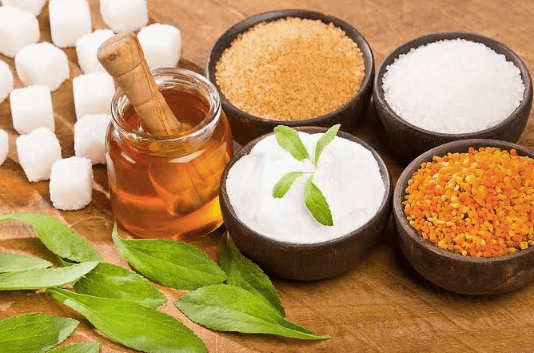
Sweetness is a core element of food formulation, influencing flavour balance, consumer acceptance, and the overall character of a finished product. Manufacturers work with a range of sweetening ingredients, from conventional sugars to plant-derived alternatives and high-intensity sweeteners. Each option has different properties, so ingredient selection should consider more than sweetness alone.
Natural sweeteners are not a single technical category. They may differ in source, composition, sweetness intensity, bulk contribution, flavour profile, and performance during processing. A product that works well in a beverage may not provide the same functionality in a baked food or confectionery formula.
Start with the Product’s Functional Needs
Before selecting a sweetener, the formulation team should define the product type, target sweetness, desired texture, processing conditions, and nutritional or labelling requirements. These factors help determine whether the recipe needs a sweetening ingredient that contributes bulk, affects browning, supports moisture retention, or primarily adds sweetness.
For example, replacing sugar in a baked product can change more than taste. Sugar may contribute volume, structure, colour development, and moisture behaviour. A replacement strategy therefore needs to account for the complete recipe rather than simply matching perceived sweetness.
Understanding Different Sweetener Formats
Bulk sweeteners
Some sweeteners contribute a substantial amount of material to the formulation. Their physical presence can affect viscosity, texture, and the balance of dry or liquid ingredients. When replacing one bulk ingredient with another, developers should examine the effect on the whole recipe.
High-intensity sweeteners
High-intensity sweeteners can deliver sweetness at relatively low inclusion levels. Because they contribute less physical bulk, they may require other ingredients to maintain the product’s texture or processing characteristics. Their flavour profile and aftertaste should be evaluated in the intended formula.
Plant-derived sweetening ingredients
Plant-derived sweeteners vary in composition and sensory characteristics. Some may provide a distinctive taste or colour, while others are designed to deliver a more neutral profile. Manufacturers should verify the ingredient’s source, composition, and intended applications before making a selection.
Applications Across Food Categories
Beverages
Beverage formulation requires a balance of sweetness, acidity, flavour, and mouthfeel. A sweetener may behave differently in carbonated drinks, powdered beverages, dairy-style drinks, or acidic fruit formulations. Testing should reflect the intended base and preparation method.
Bakery products
Baked goods require careful attention to bulk, moisture, texture, and browning. If a sweetener replaces sugar, the developer should evaluate the finished crumb, surface colour, spread, and shelf-life characteristics. A direct one-to-one substitution may not be appropriate.
Sauces and condiments
In sauces, sweetness must balance acidity, salt, and other flavour components. Sweeteners can also affect viscosity or solids content. The finished product should be tested after processing and storage to ensure that flavour and texture remain acceptable.
Confectionery and desserts
Confectionery products may depend on specific sweetness levels and physical properties such as crystallisation, chewiness, or firmness. The appropriate sweetener depends on the product’s manufacturing process and desired texture. Bench trials and pilot runs can help identify suitable combinations.
Reviewing Quality and Composition
A supplier’s specification should clearly identify the sweetener, its composition, physical properties, and recommended applications. Buyers should check whether the material contains carriers, bulking agents, or other ingredients that affect formulation and labelling.
Sensory evaluation is also important. Sweetness intensity alone does not describe the entire taste profile. The development team should assess onset, lingering sweetness, aftertaste, and interaction with the product’s other flavours.
For dry ingredients, moisture, particle size, and flowability may influence blending and packaging. For liquid ingredients, concentration, viscosity, and storage conditions may be more relevant. The quality parameters should match the supplied format and intended use.
Food Safety and Regulatory Review
The regulatory status of a sweetener can depend on the ingredient, product category, and destination market. Manufacturers should confirm permitted uses, maximum levels where applicable, and labelling requirements before finalising a formula.
Claims such as “natural,” “reduced sugar,” or “no added sugar” also require careful review. These descriptions may be governed by specific definitions or conditions in the target market. Ingredient sourcing alone does not establish that a finished product qualifies for a particular claim.
Formulation Trials and Scale-Up
Begin with a clear target for sweetness and product texture. Prepare a control formula and several test versions, changing one key variable at a time where practical. Record ingredient quantities, processing conditions, sensory results, and any changes made to the recipe.
The product should be assessed after the complete manufacturing process and, where relevant, during storage. A formula that tastes acceptable immediately after production may develop flavour or texture changes later.
Once the best option has been identified, conduct a pilot run using equipment and procedures representative of commercial production. Scale-up can reveal differences in mixing, heating, filling, and cooling that are not apparent in laboratory samples.
See also: Building a Claims QA Framework That Delivers 97% Technical Accuracy
Choosing a Supplier
Supplier selection should include technical documentation, product consistency, packaging, lead times, communication, and procedures for handling quality concerns. Buyers should confirm that the proposed grade meets the product’s requirements and is suitable for the intended market.
For manufacturers exploring green spring technology Bulk Natural Sweeteners request information about the available ingredient types and their specifications. Confirm the exact composition, recommended applications, storage conditions, and relevant quality documentation. Samples should be evaluated in the intended formula before a bulk purchase is approved.
Planning Bulk Orders
Bulk order quantities should reflect the approved formulation, forecast production, storage capacity, and shelf life. The purchasing team should consider the full cost of supply, including freight, handling, testing, and inventory management.
Maintaining lot traceability helps link incoming materials to finished products. If the supplier changes the composition or specification, the manufacturer should review whether additional formulation testing or approval is required.
FAQs
1. Can a natural sweetener replace sugar in every recipe?
No. Sugar can contribute bulk, moisture, structure, and browning in addition to sweetness. The replacement must be evaluated for the specific product.
2. Are all natural sweeteners interchangeable?
No. They differ in sweetness intensity, composition, taste, and processing behaviour. The supplier’s specification should be reviewed before selection.
3. What should be checked before ordering in bulk?
Confirm the exact ingredient, composition, intended uses, quality documentation, storage requirements, packaging, lead time, and suitability for the target market.
Conclusion
Choosing a sweetener requires a clear understanding of the product’s sensory and functional needs. Manufacturers should compare ingredients by composition, sweetness profile, processing behaviour, and regulatory suitability rather than by category name alone. Structured trials, supplier verification, and realistic inventory planning help create consistent food products and more reliable purchasing decisions.