Automotive glass installation requires precision, compatible materials, and careful attention to safety. Windshields and other bonded glass components must remain securely attached while vehicles encounter vibration, road irregularities, temperature fluctuations, and changing weather conditions. The quality of the bonding system can influence the durability of the installation, the prevention of leaks, and the performance of the glazing assembly.
Polyurethane adhesives are widely used in automotive applications because suitable formulations combine adhesion with flexibility. High-performance products may be developed for demanding bonding requirements, but their actual capabilities depend on their formulation and documented specifications. A stronger-sounding product name alone does not establish whether an adhesive is appropriate for a particular vehicle.
For automotive workshops, glass replacement specialists, and vehicle manufacturers, the goal is to choose a material that meets the installation requirements while supporting consistent workmanship. Understanding adhesive performance, preparation procedures, curing conditions, and supplier documentation helps make that decision more reliable.
Understanding High-Strength Polyurethane Adhesives
Polyurethane, commonly abbreviated as PU, is used in numerous industrial bonding and sealing applications. Automotive formulations are engineered to deliver specific properties, which may include adhesion to approved substrates, flexibility, resistance to environmental exposure, and suitable curing behaviour.
A high-strength formulation may be designed for applications that demand a durable bond under defined service conditions. However, strength is only one factor in a complete adhesive specification. Elasticity, compatibility, working time, application temperature, and curing characteristics can be equally important.
In automotive glazing, the adhesive must work as part of a system that includes the glass, vehicle body, surface treatments, and installation method. A product that performs well in one application may not be suitable for a different vehicle or glazing design.
Before selecting an adhesive, review the manufacturer’s technical data sheet and the vehicle’s service requirements. These sources provide a more dependable basis for selection than general descriptions.
Why Bond Strength Matters in Automotive Glass Installation
Maintaining a Secure Bond
Windshields experience repeated mechanical stresses during normal vehicle operation. Road vibration, body flex, door movement, and temperature changes can place demands on the bonded joint.
A compatible automotive adhesive helps secure the glass when the joint is prepared and installed correctly. Poor adhesion can lead to separation, water leaks, wind noise, or other defects.
However, a reliable bond depends on more than the adhesive’s advertised strength. Correct bead dimensions, surface cleanliness, glass positioning, and curing conditions all contribute to the finished installation.
Supporting Vehicle Structural Performance
In many vehicles, the windshield is part of a carefully engineered body and occupant-protection system. Its bonding arrangement may contribute to the vehicle’s structural behaviour during certain collision conditions.
The glazing system can also influence the intended performance of some airbag configurations. For this reason, windshield replacement should follow the vehicle manufacturer’s procedures and use an adhesive approved for the application.
An adhesive should never be selected solely because it is described as high strength. It must satisfy the relevant requirements for the specific vehicle and installation.
Reducing Leakage and Wind Noise
A properly installed adhesive joint can help prevent water and air from entering around the glass. Gaps or uneven bonding may create leakage paths, which can contribute to damp interior materials, unpleasant odours, or increased wind noise.
When diagnosing a leak, inspect the surrounding components as well. Drainage channels, body seams, and other seals may be responsible for water entry. Applying additional material without identifying the source can lead to unnecessary repairs.
Factors to Evaluate Before Choosing an Adhesive
Compatibility With Glass and Body Materials
Automotive glazing systems may involve coated glass, painted metal, treated surfaces, and different body construction materials. The adhesive must be compatible with the specific surfaces and any associated preparation products.
Some installations require primers or specialised cleaners, while others follow different procedures. Using an incompatible product can interfere with adhesion even if the adhesive itself has suitable mechanical properties.
Confirm the approved substrates and preparation requirements before starting work.
Tensile and Shear Performance
Adhesives can be evaluated through different mechanical properties, including tensile strength, shear strength, and elongation. These measurements describe different aspects of material behaviour and should not be treated as interchangeable.
A high value in one test does not automatically establish suitability for automotive glazing. The relevance of each property depends on the joint design, load direction, service conditions, and applicable vehicle requirements.
Where technical data provides test values, review the test method and the conditions under which the results were obtained. Comparisons are most useful when the products have been evaluated using equivalent methods.
Elasticity and Movement
Vehicles undergo movement during operation, and glass-to-body joints must accommodate the conditions anticipated by the design. A material that is excessively rigid for its intended joint may not perform as required.
The selected adhesive should offer the appropriate combination of strength and flexibility. Follow the manufacturer’s instructions regarding bead shape, bond-line dimensions, and allowable joint conditions.
Curing and Drive-Away Time
Polyurethane adhesives generally require a specified period to develop the required performance. Curing can be influenced by temperature, humidity, bead thickness, and product formulation.
The surface may appear dry before the bond has reached the condition required for safe vehicle use. Workshops must follow the stated minimum drive-away time and any additional restrictions in the vehicle manufacturer’s instructions.
Do not apply a universal waiting period to every installation. Use the documented requirements for the selected adhesive and vehicle.
Best Practices for a Consistent Installation
Inspect the Bonding Area
Before removing the existing glass, inspect the surrounding frame, trim, paint, and visible bonding line. Look for corrosion, damage, evidence of previous repairs, or signs of water entry.
If corrosion or damaged paint is present, address it according to the approved repair procedure. Applying a new adhesive over an unsuitable surface can compromise the result.
Prepare Surfaces Carefully
Remove old adhesive and contamination according to the recommended installation method. Use compatible cleaning materials and observe any requirements for primer application and drying.
Avoid touching prepared bonding areas unnecessarily. Dust, grease, fingerprints, and moisture may affect adhesion, depending on the system.
Apply the Recommended Bead
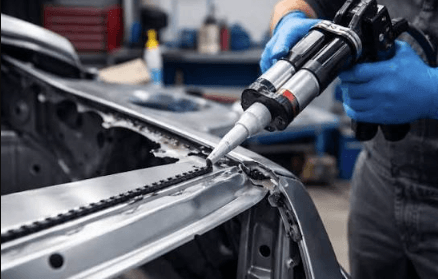
Bead dimensions and placement should follow the manufacturer’s instructions. An inconsistent bead can create voids or prevent the glass from seating correctly.
Use suitable dispensing equipment and prepare the installation sequence in advance. This helps installers position the glass within the adhesive’s specified working time.
Position and Secure the Glass
Carefully place the glass in its intended position, following the vehicle’s installation procedure. Use the appropriate setting tools and supports when required.
Avoid unnecessary movement after placement because it may disturb the bond. Reinstall related trim and components without interfering with the fresh adhesive.
Verify the Finished Installation
Inspect the glass alignment, visible joint, and surrounding components. Check for gaps or signs of uneven application, and perform any permitted quality checks according to the adhesive’s instructions.
Give the vehicle owner clear guidance about the minimum drive-away time and any precautions required during curing. Proper communication is part of a professional installation process.
See also: Building a Claims QA Framework That Delivers 97% Technical Accuracy
Storage, Handling, and Workplace Safety
Adhesive performance can be affected by storage conditions and product age. Follow the specified temperature range, shelf life, and packaging instructions. Keep containers protected from unsuitable environmental exposure and inspect them before use.
Installers should also consult the safety data sheet for information about handling, ventilation, protective equipment, and disposal. Appropriate precautions help maintain a safer workplace and reduce the likelihood of accidental exposure.
Training and standardised procedures are particularly valuable for workshops handling a high volume of replacement jobs. Consistency makes it easier to identify errors, document completed work, and maintain quality across different vehicles.
Choosing a Suitable Supplier and Product
A dependable purchasing decision involves reviewing technical documentation, product consistency, application guidance, and supplier support. Automotive workshops need clear information about compatibility, surface preparation, curing, and any required companion products.
When evaluating jiaobao PU Auto Glass Sealant High Strength verify the specific formulation’s documented strength characteristics, approved applications, substrate compatibility, and curing requirements. Confirm that it meets the vehicle manufacturer’s requirements for the intended glazing system before use.
It is also useful to consider packaging options, storage needs, product availability, and technical assistance. Reliable documentation can help workshops standardise their procedures and avoid inappropriate substitutions.
Price should be assessed alongside application efficiency, material waste, and the cost of correcting installation failures. A product offers meaningful value when it meets the technical requirements and can be applied consistently under the conditions of the job.
Frequently Asked Questions
1. Is a high-strength polyurethane adhesive always better for windshield installation?
Not necessarily. The adhesive must meet the vehicle’s specifications and provide the appropriate balance of strength, flexibility, compatibility, and curing performance. A product’s strength description alone is not sufficient to determine suitability.
2. What affects the strength of an automotive glass bond?
Bond performance depends on the adhesive formulation, substrate compatibility, surface preparation, bead dimensions, application conditions, and curing. Following the approved installation procedure is essential.
3. Can a vehicle be driven as soon as the adhesive surface feels dry?
No. Surface drying does not necessarily indicate that the bond has developed sufficient performance for safe driving. Follow the adhesive manufacturer’s minimum drive-away time and the vehicle manufacturer’s requirements.
Conclusion
High-performance polyurethane adhesives can play an important role in automotive glazing when their properties match the requirements of the vehicle and installation system. Reliable results depend on selecting an approved product, preparing surfaces correctly, applying a consistent bead, and allowing sufficient curing time.
Workshops should evaluate documented performance rather than relying on product names alone. By following technical guidance and maintaining consistent installation practices, automotive professionals can support durable bonding, reduce common glazing defects, and protect the intended performance of the vehicle.