Water exposure is a common challenge for products used in homes, factories, vehicles, and outdoor environments. Rain, splashing, cleaning procedures, and accidental contact with water can affect the performance of electrical equipment, damage sensitive components, and shorten product life when protective designs are inadequate.
Manufacturers therefore need reliable ways to evaluate how products respond to water under defined conditions. Laboratory water-resistance testing provides a controlled environment for examining enclosures, seals, connectors, and other features that help prevent unwanted water entry.
Rather than relying only on product design assumptions, engineers can use structured tests to identify weaknesses and verify whether a product meets its intended requirements. The appropriate test depends on how the product will be used and the level of water exposure it is expected to withstand.
Why Water-Resistance Testing Is Important
Water can affect products in several ways. Electrical assemblies may experience corrosion or short circuits, while mechanical components can suffer from lubrication problems or deterioration. Water entering a housing may also damage sensors, circuit boards, displays, and internal connections.
The severity of the problem depends on the product’s design, materials, seals, and exposure conditions. A device intended for indoor use may require limited protection, whereas outdoor electronics or equipment used in wet industrial environments may need a more demanding enclosure design.
Water-resistance testing helps manufacturers evaluate whether protective features perform as intended. It can also reveal weaknesses that may not be apparent during ordinary functional checks.
Testing is valuable throughout product development. Engineers can evaluate early prototypes, compare alternative gasket materials, investigate enclosure modifications, and verify production designs before wider distribution. Quality-control teams may also use appropriate testing procedures to investigate recurring field complaints or confirm consistency between production batches.
Understanding Different Water-Exposure Tests
There is no single water test suitable for every product. The method should match the intended exposure and applicable technical requirements.
Dripping and Light Water Exposure
Some products require protection against vertically falling water droplets or limited splashing. These conditions may be relevant to equipment installed beneath sheltered structures or devices used in environments where water exposure is relatively mild.
A test designed for light exposure should not be treated as evidence that a product can withstand powerful water jets or immersion.
Rain and Water-Spray Testing
Rain and spray tests help evaluate products that may encounter water during normal outdoor use. The test conditions depend on the relevant standard and may include specified spray patterns, exposure duration, and specimen positioning.
These procedures can help assess the effectiveness of seals, covers, joints, and enclosure openings. The exact method should be chosen according to the product’s intended environment.
High-Pressure Water-Jet Testing
Some equipment must withstand stronger water jets, including products exposed to intensive cleaning. High-pressure tests can place greater demands on enclosure interfaces and sealing arrangements.
Such procedures require suitable equipment and clearly defined operating conditions. Pressure, flow rate, nozzle configuration, water temperature, and exposure sequence may all matter, depending on the test standard.
Immersion Testing
Immersion tests evaluate products exposed to water surrounding the enclosure. These procedures differ from spray tests because water pressure can increase with immersion depth and the test duration may follow different requirements.
A product that performs well during spraying may not necessarily provide the same protection during immersion. Manufacturers should select the test based on the actual application rather than assuming that all waterproofing methods are interchangeable.
How a Waterproof Testing System Works
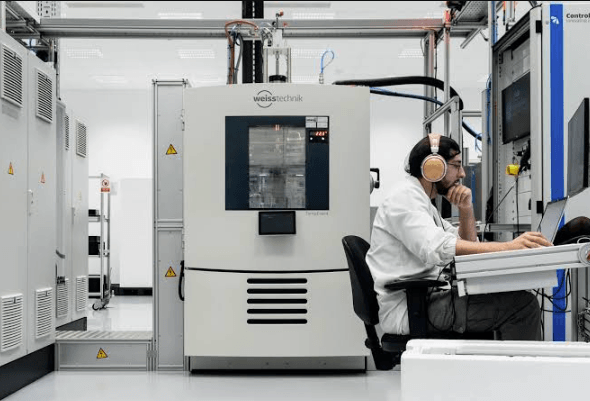
A laboratory water-testing system provides a controlled arrangement for applying water to a product. Depending on its intended purpose, the system may include spray nozzles, water pumps, pressure regulation, flow controls, specimen fixtures, a test enclosure, drainage, and an operating controller.
The specimen is positioned according to the selected test method. The system then delivers water under defined conditions for the required period. Operators may monitor parameters such as pressure, flow rate, temperature, and exposure time when those variables are relevant to the procedure.
After exposure, the product is inspected to determine whether water has entered protected areas or affected its operation. Additional checks may be required to assess electrical safety, mechanical performance, or internal component condition.
Laboratories evaluating suitable equipment may consider an LIB industry waterproof test machine when comparing systems for controlled water-resistance testing. The appropriate configuration depends on the product dimensions, expected exposure, testing standards, and required monitoring capabilities.
The objective is repeatable testing. A consistent procedure allows engineers to compare different designs and understand whether changes improve or reduce water protection.
Industries That Benefit From Waterproof Testing
Consumer Electronics
Consumer electronics such as smart devices, control panels, portable equipment, and selected accessories may encounter splashes, rain, or moisture during everyday use.
Water-resistance testing helps manufacturers evaluate enclosure joints, charging interfaces, buttons, speaker openings, and other vulnerable areas. The results can support design improvements and help verify claims associated with the intended protection level.
The appropriate method varies by device. A product designed for accidental splashes does not automatically require the same testing as equipment intended for immersion or intensive washing.
Automotive and Transportation
Vehicles contain many electrical and electronic components that may encounter rain, road spray, washing, or moisture during operation. Lighting assemblies, sensors, connectors, control modules, and sealed housings may require water-resistance evaluation.
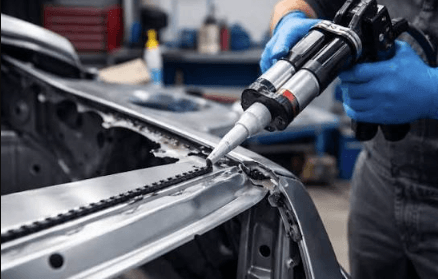
Testing helps manufacturers examine whether enclosure designs and sealing systems provide suitable protection. It can also identify assembly issues, such as poorly positioned gaskets or inadequately sealed cable entries.
Automotive testing requirements may be defined by manufacturers, industry standards, or specific component applications. The test program should follow the relevant requirements rather than relying on a generic spray procedure.
Industrial Equipment
Industrial facilities often contain machinery and control equipment exposed to water during cleaning or routine operation. Inappropriate protection can result in equipment downtime, repair costs, and production interruptions.
Water-resistance testing can help evaluate control cabinets, sensors, switches, connectors, and other products used in wet environments. It also supports design decisions about enclosure materials, drainage, sealing, and maintenance access.
Outdoor Lighting and Electrical Enclosures
Outdoor lighting, junction boxes, electrical housings, and monitoring equipment must be designed for their expected environmental conditions. Depending on the installation, they may face rain, spray, dust, condensation, or other environmental stresses.
Testing provides evidence about the water-protection performance of the tested configuration. However, it does not replace separate evaluations for corrosion resistance, ultraviolet durability, thermal performance, or other relevant conditions.
Household Appliances
Appliances may encounter water through splashing, cleaning, or their normal operating environment. Manufacturers can use suitable testing methods to evaluate covers, switches, seals, and electrical compartments.
The correct procedure depends on the appliance type and its intended use. Equipment exposed to ordinary kitchen splashes may have different requirements from products designed for wet-room environments or intensive washdown.
Key Factors When Selecting Testing Equipment
Choosing the right system requires careful consideration of both technical requirements and practical laboratory needs.
Test Standard and Exposure Level
Start by identifying the relevant standard, product specification, or customer requirement. Determine whether the product needs spray, jet, dripping, or immersion testing.
This step prevents a common mistake: purchasing equipment based on a general waterproofing label without confirming whether it supports the actual test procedure.
Water Delivery and Control
The system should provide the water conditions required by the selected method. Depending on the test, this may involve controlled pressure, flow rate, spray angle, nozzle arrangement, or water temperature.
Laboratories should review the available measurement and control features and understand how operating conditions are verified.
Specimen Size and Positioning
The working area must accommodate the product and any required fixtures. Larger specimens may need adjustable mounting arrangements, while smaller components may require specialized holders.
Correct positioning is important because the exposure pattern can influence the result. The setup should reproduce the arrangement required by the applicable procedure.
Controller and Documentation
Clear controls can help operators set exposure duration and other relevant parameters consistently. Data logging or recordkeeping functions may also be useful for quality assurance and traceability.
A complete test record should identify the specimen, test method, equipment settings, exposure duration, observations, and outcome.
Drainage, Safety, and Maintenance
Water management should be considered before installation. The facility needs suitable drainage and a safe arrangement for handling wet specimens and equipment.
Pumps, nozzles, filters, seals, and flow-control components may require periodic maintenance. Manufacturers should provide guidance on servicing and replacement parts, and laboratories should establish procedures for checking equipment condition before testing.
See also: Building a Claims QA Framework That Delivers 97% Technical Accuracy
Best Practices for Accurate Results
A reliable water-resistance test begins with a clearly defined objective and documented acceptance criteria. Before testing, inspect the specimen and record its initial condition. Where appropriate, confirm that the product functions correctly before exposure.
Prepare the product according to the relevant procedure. Covers, connectors, gaskets, and cable entries should be installed in the specified configuration. Any departure from the intended assembly may affect the outcome.
Before starting the test, verify the water supply, nozzle condition, pressure or flow settings, exposure duration, and specimen position. Follow the equipment manufacturer’s instructions and the applicable test standard.
After exposure, inspect the specimen using the required method. This may involve checking internal compartments for water ingress, examining sensitive components, or conducting functional tests. Some products may require a defined waiting period or additional procedures before inspection.
Document all findings, including unexpected observations. If a specimen fails, the investigation should identify where water entered and whether the cause relates to the product design, assembly, material condition, or test setup.
Repeated testing can help verify improvements, but tests should be conducted under consistent conditions. Changing several design features at once may make it difficult to determine which modification influenced the result.
Common Misconceptions About Waterproof Performance
One misconception is that a product described as waterproof can withstand every type of water exposure. In practice, protection depends on the rating, test method, enclosure condition, and intended use.
Another misconception is that passing a spray test guarantees protection during immersion. Spray and immersion procedures create different exposure conditions, so one result cannot automatically replace the other.
It is also important to recognize that seals can age or become damaged. Temperature changes, repeated opening, vibration, wear, and improper assembly may affect protection over time. Depending on the product, durability testing and maintenance checks may therefore be necessary in addition to an initial water-resistance test.
Finally, a successful test applies to the tested configuration and conditions. Product modifications or different installation practices may require additional evaluation.
Frequently Asked Questions
1. What is a waterproof testing machine used for?
It is used to expose products to specified water conditions in order to evaluate enclosure protection. Depending on its configuration, it may support dripping, spraying, high-pressure water-jet, or other water-resistance tests.
2. Can one machine perform every type of waterproof test?
Not necessarily. Different procedures may require different nozzles, pressure ranges, specimen arrangements, immersion facilities, or control systems. Laboratories should confirm that the equipment supports the exact methods they need.
3. What should be inspected after water-resistance testing?
The inspection should follow the applicable procedure. It may include checking for water ingress, examining seals and internal components, and performing functional or electrical checks against predefined acceptance criteria.
Conclusion
Water-resistance testing helps manufacturers determine whether products can withstand the water exposure expected during their intended use. By selecting a suitable method and applying controlled conditions, laboratories can identify enclosure weaknesses, compare design alternatives, and support consistent product quality.
Reliable results require appropriate equipment, representative specimens, repeatable test procedures, and documented inspections. When testing is aligned with applicable standards and product requirements, it becomes an important tool for improving durability and reducing the risk of water-related failures.