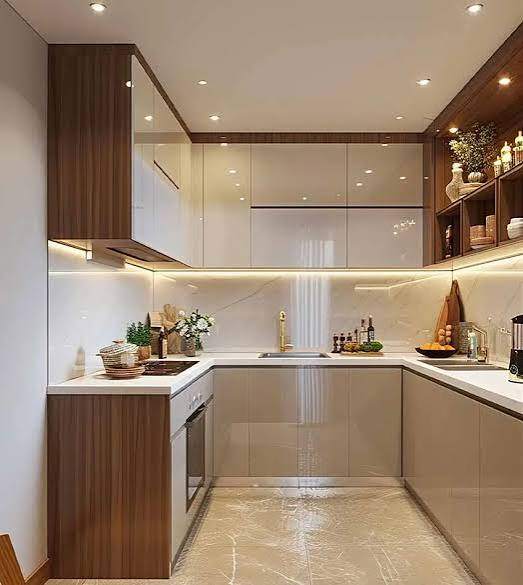
A small kitchen can be both beautiful and practical when every inch of space is used wisely. Limited counter space, crowded drawers, and a lack of storage can make everyday cooking challenging. However, with the right cabinet designs and کابینت smart organization techniques, even the smallest kitchen can feel spacious, comfortable, and stylish. Choosing the right space-saving kitchen cabinet ideas for small kitchens helps homeowners maximize storage, improve accessibility, and create a more organized cooking environment without requiring a complete renovation.
Whether you live in an apartment, a compact house, or a small studio, there are plenty of creative ways to make your kitchen work better. From vertical cabinets to pull-out drawers, these ideas can transform an ordinary kitchen into an efficient and attractive space.
1. Use Vertical Cabinets to Maximize Wall Space
One of the easiest ways to increase kitchen storage is to use the full height of your walls. Many small kitchens have unused space above standard cabinets, which can become a valuable storage area.
Installing cabinets that extend toward the ceiling provides additional room for items you do not use every day, such as seasonal cookware, serving dishes, and extra kitchen supplies. This approach also creates a clean, continuous appearance that can make the kitchen look more organized.
For easier access, store frequently used plates, glasses, and cooking ingredients in lower sections. Keep less frequently needed items on higher shelves and use a stable step stool when necessary.
Vertical cabinets are especially useful in apartments where expanding the kitchen outward is not possible.
2. Install Pull-Out Kitchen Cabinets
Traditional cabinets can make it difficult to reach items stored at the back. Pull-out cabinets solve this problem by allowing shelves or storage units to slide outward.
These cabinets work well for storing spices, cooking oils, canned goods, cleaning supplies, and other everyday essentials. Narrow pull-out units can fit into small gaps between appliances or existing cabinets, turning otherwise wasted space into useful storage.
For example, a slim pull-out cabinet beside the refrigerator can hold bottles, jars, and packaged ingredients. A pull-out unit near the stove can keep commonly used cooking supplies within easy reach.
When choosing pull-out cabinets, look for smooth sliding mechanisms and sturdy construction. These features help ensure the storage system remains convenient and reliable with regular use.
3. Choose Corner Cabinets with Smart Storage
Kitchen corners are often difficult to use efficiently because items can become hidden behind other objects. Instead of leaving these areas empty or overcrowded, consider installing cabinets designed specifically for corners.
Lazy Susan shelves are a popular solution because they rotate, making stored items easier to reach. Corner drawers, angled cabinets, and pull-out corner systems can also improve accessibility.
These designs provide useful space for pots, pans, mixing bowls, and pantry essentials. The best option depends on the kitchen layout, cabinet dimensions, and storage requirements.
Before installing corner storage, measure the available area carefully. A well-designed corner cabinet can significantly increase usable storage without taking up additional floor space.
4. Use Open Shelving Alongside Closed Cabinets
Open shelving can make a small kitchen feel lighter and less crowded than a wall filled entirely with solid cabinet doors. It also provides convenient access to frequently used items.
You can install open shelves above a countertop, beside a window, or in an unused wall section. They are ideal for displaying everyday dishes, mugs, glasses, and neatly arranged containers.
However, open shelving works best when it is kept organized. Too many objects or mismatched containers can create a cluttered appearance. Use matching jars, simple baskets, and coordinated dishware to maintain a clean look.
A combination of open shelves and closed cabinets often provides the best balance. Closed cabinets hide less attractive supplies, while open shelves keep essential items accessible.
5. Select Cabinets with Built-In Drawer Organizers
Drawers can provide more practical storage than deep cabinets when they are designed correctly. Built-in organizers help separate utensils, cooking tools, cutlery, and food preparation accessories.
Adjustable dividers allow you to customize the drawer layout according to your needs. Deep drawers are especially useful for storing pots, pans, lids, and larger kitchen equipment.
Instead of stacking everything in one compartment, assign a specific place to each category. This reduces the time spent searching for items and helps maintain an organized kitchen.
For the best results, measure your existing drawers before purchasing organizers. Choose designs that fit properly without wasting valuable space.
6. Install Cabinets Above the Refrigerator
The area above a refrigerator is often overlooked, even though it can provide useful additional storage. A cabinet fitted above the appliance can hold lightweight kitchen items that are not needed frequently.
Suitable items include extra paper towels, serving platters, baking accessories, and seasonal kitchen equipment. Keeping these supplies in a dedicated location prevents them from occupying more accessible cabinets.
Make sure the cabinet design follows the refrigerator manufacturer’s clearance and ventilation requirements. The doors should also open comfortably without interfering with nearby walls or other cabinets.
This simple improvement can make a noticeable difference in kitchens where storage options are limited.
7. Choose Light-Colored Cabinets to Create a Spacious Look
Cabinet color does not increase physical storage, but it can influence how large a kitchen appears. Light colors reflect more light and can help a compact room feel open and welcoming.
White, cream, pale gray, and soft beige are popular choices for small kitchens. These shades work well with light countertops, simple hardware, and reflective backsplashes.
Glossy finishes may help distribute light throughout the room, while matte finishes provide a softer, contemporary appearance. The right option depends on personal preference and the kitchen’s lighting conditions.
To add character without overwhelming the space, consider using a contrasting countertop, wooden shelves, or darker cabinet handles.
8. Make Use of the Space Under the Sink
The area beneath the kitchen sink often becomes cluttered because of plumbing pipes and irregular cabinet shapes. With a little planning, this space can become a useful storage zone.
Stackable bins, sliding organizers, and adjustable shelves can help accommodate dishwashing supplies, sponges, rubbish bags, and cleaning products.
Choose organizers that fit around the plumbing instead of blocking access to pipes or valves. Keep cleaning chemicals securely stored, especially in households with children or pets.
A pull-out waste and recycling system can also make the under-sink cabinet more functional while keeping bins out of sight.
9. Consider Multi-Functional Kitchen Cabinets
Multi-functional cabinets are particularly valuable in kitchens where space is limited. These designs combine several storage purposes in one compact unit.
For example, a cabinet with integrated spice racks, utensil holders, and adjustable shelves can reduce the need for separate storage accessories. A kitchen island with built-in drawers may provide additional workspace and storage when the layout allows enough clearance.
You can also consider cabinets with fold-down work surfaces or pull-out preparation boards. These features create temporary workspace without permanently occupying the countertop.
Before installing any multi-functional unit, consider how it will affect movement through the kitchen. Storage should improve convenience rather than make the room harder to navigate.
10. Use the Inside of Cabinet Doors
The inside surface of a cabinet door offers an additional storage opportunity that many homeowners overlook. Small racks, hooks, and organizers can hold lightweight items without requiring another cabinet.
Door-mounted organizers are useful for measuring spoons, pot lids, kitchen towels, cutting boards, and selected cleaning accessories. They can also help keep small tools separated from larger cookware.
Before installing an organizer, check the available depth to ensure that stored items will not hit shelves when the door closes. Use suitable mounting hardware and avoid overloading the door.
This affordable solution is ideal for improving existing cabinets without undertaking major renovation work.
11. Plan Cabinet Storage Around Your Daily Routine
The most effective kitchen cabinet design reflects how you actually use the space. Instead of storing items wherever room is available, organize cabinets according to everyday activities.
Keep cooking utensils, oils, and spices near the stove. Store plates and glasses close to the dining area or dishwasher. Place food preparation tools near the main countertop, and reserve less accessible cabinets for occasional-use items.
Grouping similar products together makes it easier to maintain order. It also helps identify items you no longer need, freeing up additional space.
If you are planning a new kitchen, review your cooking habits before finalizing the cabinet layout. A thoughtful arrangement can improve efficiency more than simply adding extra cupboards.
12. Choose Custom Cabinets for Unusual Layouts
Some small kitchens have awkward corners, narrow walls, sloping ceilings, or unusual appliance placements. In these situations, custom kitchen cabinets may provide a better fit than standard-sized units.
Custom cabinets can be designed to use narrow gaps, fit around structural features, and provide storage tailored to specific household needs. Although they may require a larger initial investment, carefully planned dimensions can reduce کابینت آشپزخانه wasted space.
If custom cabinetry is outside your budget, semi-custom units or adjustable internal organizers may offer a practical alternative.
Always compare materials, installation costs, durability, and maintenance requirements before making a decision.
Conclusion
Creating an efficient small kitchen does not necessarily require a larger room or an expensive renovation. The right space-saving kitchen cabinet ideas for small kitchens can help you use vertical space, improve corner storage, organize drawers, and make overlooked areas more functional.
Start by identifying the biggest storage problems in your kitchen. Then consider practical improvements such as pull-out cabinets, cabinet-door organizers, under-sink storage, and ceiling-height cupboards. Light-colored finishes and a thoughtful layout can further improve the appearance and usability of the room.
Most importantly, choose cabinet solutions that match your daily routine, available budget, and kitchen dimensions. With careful planning and smart storage choices, even a compact kitchen can become an organized, attractive, and comfortable place to prepare meals.