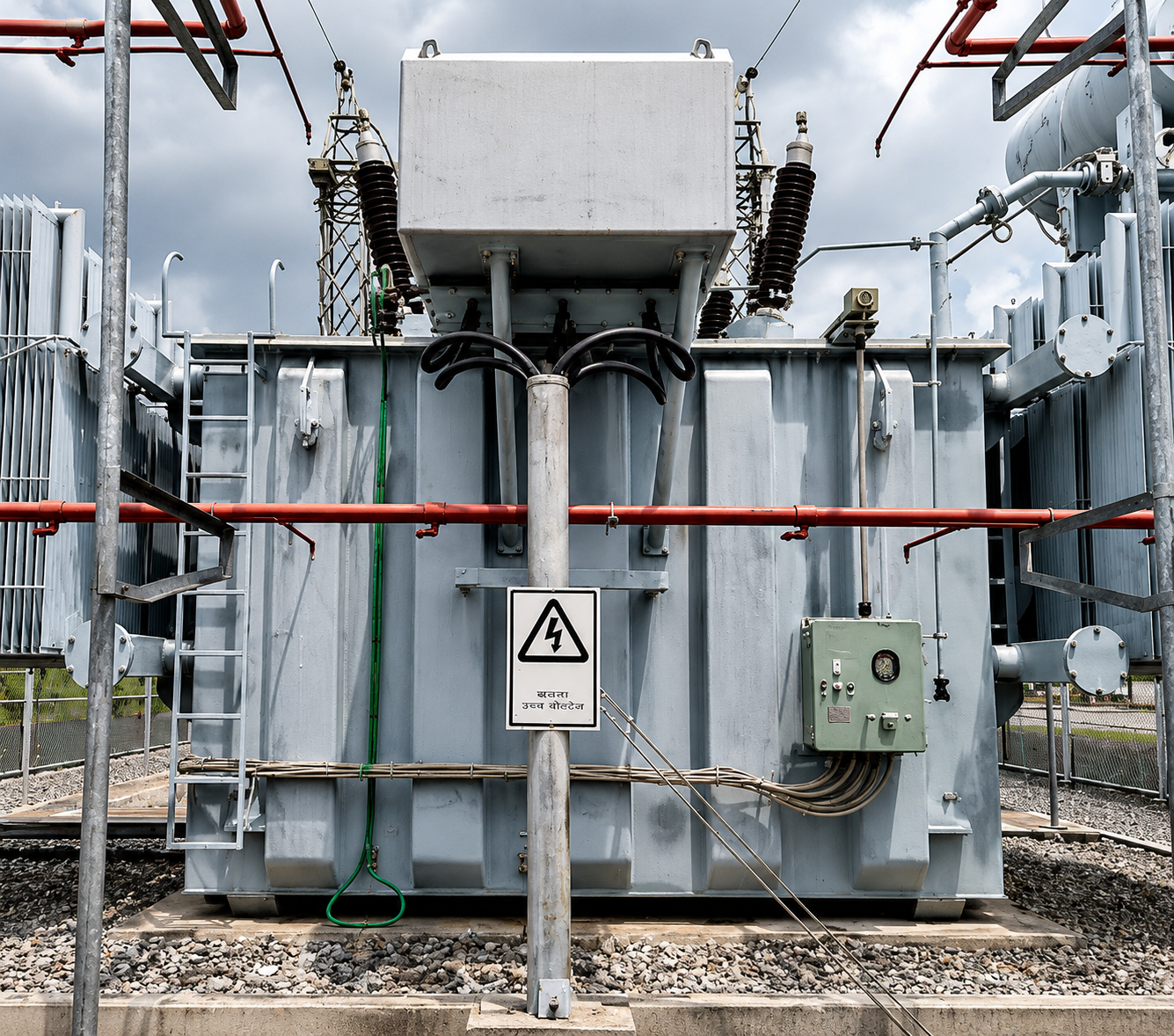
Electrical power systems rely on proper grounding to ensure safe operation, equipment protection, and stable performance. As industries continue to expand their electrical infrastructure, effective grounding solutions have become more important than ever. One of the most dependable devices used for creating a neutral point in ungrounded or delta-connected systems is the zigzag transformer. It helps improve fault protection, system stability, and operational safety without supplying power to connected loads.
This article explores how this specialized transformer works, its advantages, common applications, and why it remains a preferred choice in modern industrial power networks.
Understanding the Role of a Zigzag Transformer
A zigzag transformer is a specially designed transformer used primarily for grounding electrical systems. Unlike conventional transformers that transfer power between circuits, this transformer creates an artificial neutral point for systems that do not naturally have one.
Its winding arrangement divides each phase into two equal parts connected in opposite directions. During normal operating conditions, the magnetic flux generated by balanced phase currents cancels out, allowing very little current to flow through the transformer. However, during a ground fault, it provides a low-impedance path for fault current, enabling protective devices to detect and isolate the fault quickly.
Because of this unique configuration, it plays a critical role in improving electrical system reliability while reducing the risk of equipment damage.
Why Grounding Matters in Industrial Power Systems
Grounding is one of the most important aspects of electrical system design. Without a proper grounding method, electrical faults can remain undetected, leading to severe equipment damage, unexpected downtime, and safety hazards.
A well-grounded system helps:
- Limit transient overvoltages
- Protect personnel from electrical shock
- Improve fault detection
- Reduce equipment stress
- Enhance overall power quality
- Support reliable system operation
Many industrial facilities use a grounding transformer when their electrical systems lack a neutral point, making effective grounding possible without redesigning the entire distribution network.
How It Works
The operating principle is relatively straightforward but highly effective.
The transformer consists of interconnected windings arranged in a zigzag pattern. Under balanced three-phase conditions:
- Phase currents remain equal.
- Magnetic fluxes cancel each other.
- The transformer draws minimal current.
When a single line-to-ground fault occurs:
- The transformer provides a return path for zero-sequence current.
- Fault current flows through the neutral connection.
- Protective relays detect the fault.
- Circuit breakers isolate the faulty section.
This design allows the electrical network to maintain stability while minimizing damage during abnormal operating conditions.
Major Benefits
Improved Ground Fault Protection
One of its biggest advantages is the ability to provide a controlled path for ground fault current. This improves the sensitivity of protective relays and ensures faster fault clearing.
Enhanced System Stability
By creating a neutral reference point, voltage fluctuations are minimized during fault conditions, reducing stress on connected equipment.
Lower Equipment Damage
Ground faults that remain undetected can cause insulation breakdown, overheating, and premature equipment failure. Proper grounding significantly reduces these risks.
Easy Integration
These transformers can often be added to existing electrical systems without requiring extensive modifications, making them a practical solution for many industrial facilities.
Better Safety
Proper grounding protects maintenance personnel and operators by minimizing dangerous touch voltages during fault events.
Common Industrial Applications
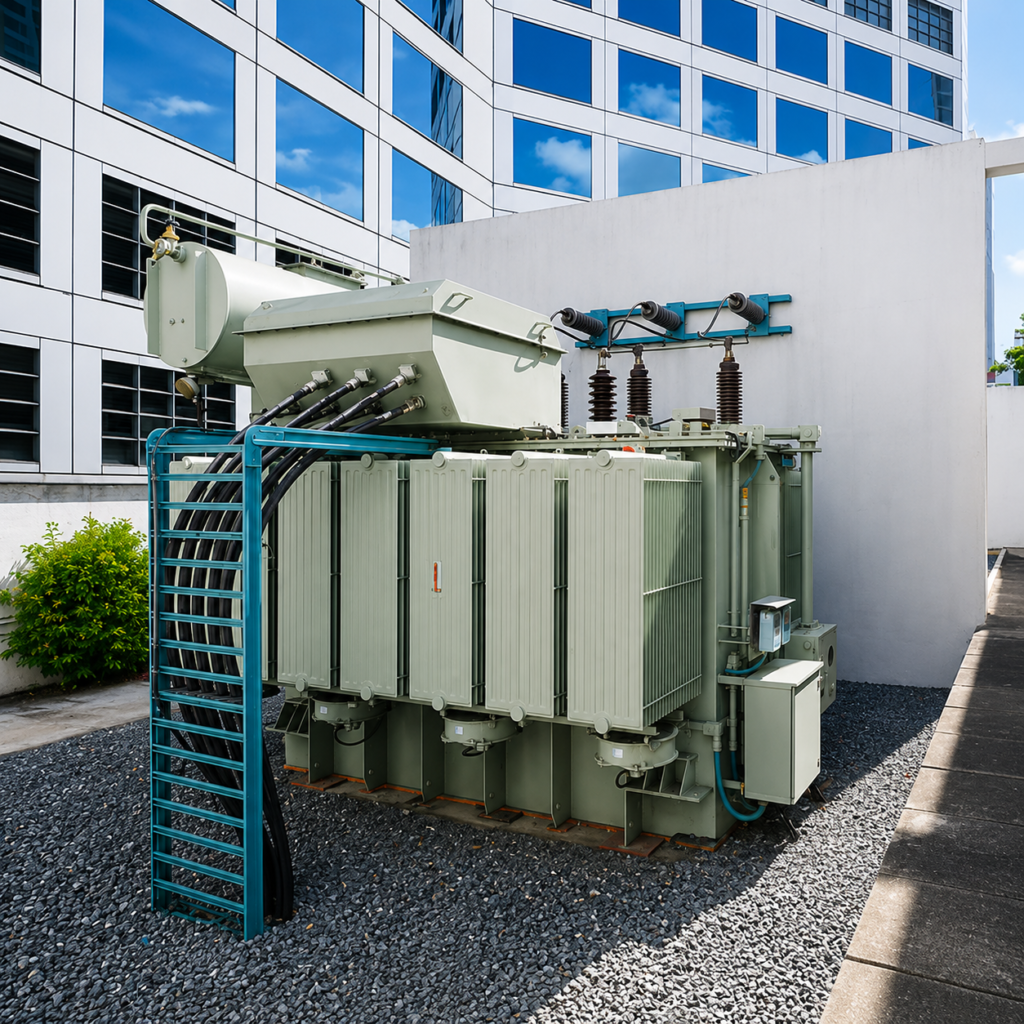
These transformers are widely used across numerous industries where delta-connected systems or ungrounded networks are common.
Typical applications include:
- Power generation plants
- Utility substations
- Petrochemical facilities
- Manufacturing plants
- Mining operations
- Renewable energy installations
- Data centers
- Commercial electrical distribution systems
In each of these applications, reliable grounding contributes to improved operational continuity and electrical safety.
Design Considerations
Selecting the correct transformer requires careful evaluation of several factors.
Fault Current Rating
The transformer must safely withstand the expected ground fault current for the specified duration.
System Voltage
Voltage ratings should match the operating voltage of the electrical network.
Neutral Grounding Method
Some systems use grounding resistors along with the transformer to control fault current magnitude.
Thermal Performance
The transformer should be capable of handling repeated fault events without excessive temperature rise.
Environmental Conditions
Outdoor installations may require weatherproof enclosures, corrosion-resistant materials, or higher insulation classes.
Proper engineering ensures reliable long-term performance.
Maintenance Best Practices
Although these transformers require relatively little maintenance, regular inspections help maximize service life. Recommended maintenance activities include:
- Visual inspection for physical damage
- Tightening electrical connections
- Measuring insulation resistance
- Checking winding temperature
- Inspecting grounding connections
- Verifying protective relay coordination
- Cleaning ventilation passages
Routine preventive maintenance reduces unexpected failures and improves overall system reliability.
Applications in Renewable Energy Systems
As renewable energy projects continue to expand, grounding solutions have become increasingly important.
Solar farms, wind power installations, and battery energy storage systems frequently use delta-connected transformers. Creating a reliable neutral point allows protective devices to operate effectively while maintaining system stability.
Proper grounding also supports compliance with modern electrical standards and improves equipment lifespan.
Supporting Modern Grid Reliability
Today’s electrical grids are more interconnected than ever before. Industrial automation, smart substations, and distributed generation require dependable protection systems.
Proper grounding helps:
- Reduce voltage imbalance
- Improve protective relay performance
- Support uninterrupted industrial operations
- Minimize outage duration
- Protect sensitive electronic equipment
For this reason, grounding transformers continue to play an essential role in modern electrical infrastructure.
Selecting the Right Solution
Every electrical installation has unique grounding requirements.
Before selecting a transformer, engineers typically evaluate:
- Network configuration
- Available fault current
- Protection requirements
- Future expansion plans
- Applicable electrical standards
- Environmental conditions
- Maintenance accessibility
A comprehensive system study helps ensure the selected equipment delivers reliable long-term performance.
Conclusion
Reliable grounding is essential for maintaining electrical safety, protecting equipment, and ensuring uninterrupted industrial operations. Whether used in manufacturing plants, renewable energy projects, utility substations, or commercial facilities, the zigzag transformer provides an efficient method for establishing a neutral point in systems where one does not naturally exist.
Its unique winding design, dependable fault current path, and ability to enhance protective system performance make it a valuable component in modern power distribution networks. When properly selected, installed, and maintained, it contributes significantly to improved system reliability, reduced downtime, and enhanced operational safety.