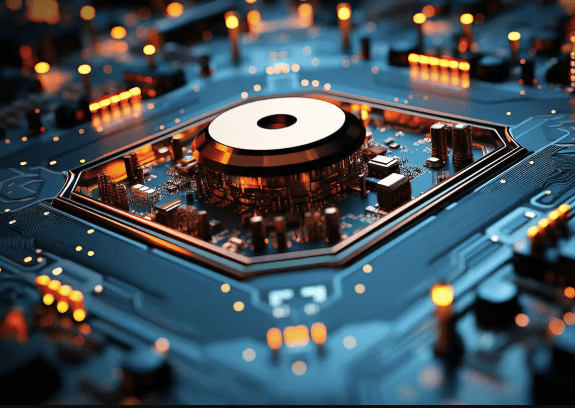
Chips serve as the core executors of smart devices, orchestrating compute, memory, and I/O with deterministic behavior. They balance performance, power, and thermal constraints through cores, caches, interconnects, and accelerators. Security, reliability, and connectivity are embedded at the design level to reduce risk and enable robust operation. Selecting an appropriate chip aligns workload demands with ecosystem support and energy budgets, yet the tradeoffs between latency, throughput, and resilience remain central as architectures evolve.
What Chips Do in Smart Devices
Chips in smart devices function as the central processing units that execute software instructions, manage data flows, and coordinate peripheral components. Their architecture supports deterministic behavior, real-time scheduling, and secure boot processes.
Chips functionality encompasses execution, memory access, and input/output orchestration, enabling consistent performance.
Device optimization relies on efficient instruction handling, power-aware design choices, and standardized interfaces for interoperability and scalable, freedom-friendly innovation.
How Chips Power Performance and Efficiency
How do chip designs translate architectural choices into measurable performance and energy efficiency? Architectural decisions define cores, caches, interconnects, and accelerators, translating into throughput, latency, and power envelopes. Efficiency trade offs arise from bandwidth and compute density limits, requiring calibrated voltage and frequency domains. Thermal management constraints influence sustained performance, hotspot mitigation, and reliability, shaping dynamic scaling, leakage control, and overall system efficiency.
Safety, Security, and Connectivity at the Chip Level
As chips scale toward greater integration and connectivity, safety, security, and connectivity at the device level become inseparable from architectural and subsystem design choices.
This section emphasizes formal security auditing methods, device-anchored threat modeling, and standardized verification.
It also notes zero trust networking as a core principle, ensuring authentication, least privilege, and continuous verification across interconnects and peripherals.
Choosing the Right Chip for Your Smart Device
Selecting the appropriate chip for a smart device hinges on aligning compute, memory, and I/O capabilities with the application’s performance, power, and security requirements while observing industry standards.
The analysis emphasizes microarchitecture tradeoffs, chip binning, supply chain resilience, and foundry dynamics; decisions balance efficiency, scalability, and reliability, avoiding overengineering while ensuring compatibility with ecosystem tools, certification procedures, and long-term maintainability.
Frequently Asked Questions
How Do Chips Affect Device Heat and Cooling Needs?
Chips heat directly influences device thermal design and cooling needs. Higher switching activity elevates junction temperatures, requiring larger heatsinks or active cooling, tighter power management, and careful thermal throttling to maintain reliability and user safety.
Can Chips Impact Device Repairability or Upgrade Options?
Chips can influence repairability and upgrade options, potentially increasing obsolescence prospects when modular design is limited; durable, standards-aligned architectures favor serviceability, while sealed systems constrain chip repairability and upgrade options, impacting long-term freedom in device ownership.
Do Chips Influence Device Privacy Beyond Security Features?
Privacy trade offs arise; data collection concerns accompany chip design, implementation, and firmware, and chips influence privacy beyond security features through telemetry, persistent identifiers, and analytical capabilities, while manufacturers’ transparency, controls, and industry standards aim to mitigate risk.
What Are the Environmental Impacts of Chip Production?
Environmental impact arises from chips manufacturing processes, including resource use and emissions. Device energy efficiency and heat management influence overall sustainability, while environmental impact is mitigated by cleaner production, recycling, and end-to-end lifecycle stewardship across semiconductor supply chains.
See also: technobeings
Will Future Chips Make Current Devices Obsolete?
Future chips may render some current devices obsolete; however, designers aim for backward-compatible interfaces. Obsolete devices are not universally discarded, as modular standards and firmware updates can preserve function, while future compatibility remains a core objective for longevity.
Conclusion
Chips orchestrate smart devices by balancing compute, memory, and I/O to meet performance and power targets. In 2023, system-on-chip efficiency gains averaged 20–30% year over year, underscoring how integrated accelerators and advanced interconnects reduce latency while lowering energy per operation. The conclusion: selecting a chip requires aligning cores, caches, and security features with workload mix, ecosystem support, and thermal envelopes. Precision in specification adherence and standard compliance remains essential to ensure reliable, scalable, and secure device operation.