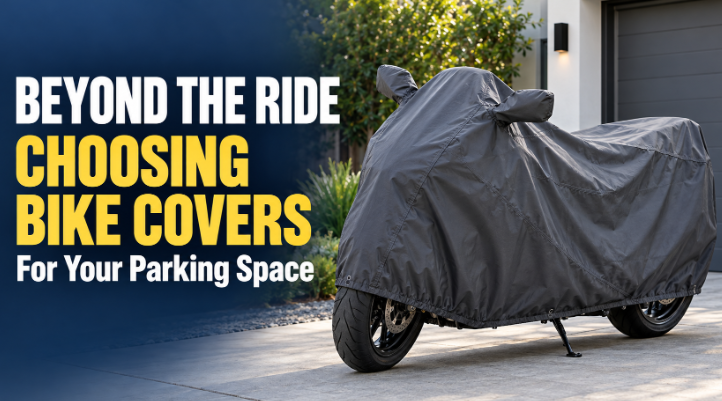
A motorcycle spends time standing still, even when riding is part of your daily routine. During those parked hours, dust settles on the seat, sunlight reaches exposed surfaces, and unexpected rain can leave everything wet before your next journey. A suitable cover helps reduce exposure and makes everyday care more manageable.
Choosing one, however, involves more than finding fabric large enough to hide the bike. Fit, ventilation, fastening, and storage all influence how useful it becomes. Understanding these details helps you choose bike covers that suit your parking space and riding habits without paying for features you rarely need.
Start With Your Parking Environment
The best starting point is where your motorcycle normally stays. A covered garage presents different challenges from a roadside parking space, an apartment courtyard, or an open driveway. Think about the conditions your bike faces most often, rather than choosing according to an occasional weather event.
Indoor parking usually calls for a lightweight cover that keeps dust away while allowing moisture to escape. Outdoor parking demands closer attention to rain resistance, sunlight exposure, and secure attachment. A sheltered space may need something between these options, especially if wind carries dust or rain beneath the roof.
Also consider nearby trees, construction activity, and passing traffic. Falling leaves, bird droppings, and airborne grit can make a cover useful even when rainfall is uncommon. Your surroundings should guide the purchase before appearance or packaging does.
Choose a Fit That Supports Protection
A cover should follow the motorcycle’s shape without stretching tightly across mirrors, handlebars, or body panels. Excessive tension puts pressure on seams and makes installation awkward. Too much loose material, meanwhile, can flap against the bike or collect water in folds.
Check the listed dimensions and compare them with your motorcycle’s length, height, and width. Model compatibility can help, but accessories may change the required size. A windscreen, luggage rack, top box, or wider mirrors can turn an otherwise suitable cover into a poor fit.
When browsing bike covers, compare sizing information with your actual setup instead of relying only on labels such as medium or large. Those descriptions are not necessarily consistent between sellers.
The lower edge should provide useful coverage without dragging extensively on the ground. Fabric resting in mud or standing water becomes harder to clean and unpleasant to handle.
Understand Materials and Weather Claims
Material descriptions can sound impressive while revealing little about everyday performance. Look for clear information about fabric type, coating, seam construction, and intended use. Thickness alone does not tell you how effectively a cover handles rain or how easily it can be stored.
Water resistance and waterproofing should not be treated as identical promises. A material may shed light rain yet allow moisture through during prolonged exposure. Stitching, seams, and openings also affect protection, even when the main fabric performs well.
Breathability matters because moisture can develop beneath a cover through humidity or temperature changes. Vent panels may support airflow, but their position and design should also limit direct rain entry. No cover removes the need to check the motorcycle after wet weather.
For sunny parking spaces, look for a stated suitability for outdoor sunlight exposure. Avoid assuming that a particular color or shiny surface automatically guarantees lasting protection.
Pay Attention to Fastening and Wind
Wind exposes weaknesses that are easy to overlook when trying a cover indoors. A loose hem may lift, while unsecured fabric can flap repeatedly against dusty surfaces. That movement can contribute to marks, particularly when grit is trapped between the cover and paintwork.
An elasticated edge helps keep the fabric close to the bike, but it may not be sufficient in exposed locations. An adjustable strap beneath the motorcycle can improve stability when used according to the manufacturer’s instructions.
Check how easily you can reach the fastening point. A strap that requires awkward kneeling every morning may become a feature you stop using. Buckles should also remain clear of painted surfaces wherever possible.
During severe weather, a cover should not be your only protective measure. Move the motorcycle to suitable shelter when available, and follow local weather advice when conditions become hazardous.
Cover a Clean and Cool Motorcycle
Good handling habits matter as much as the product itself. Allow the engine and exhaust to cool before fitting a cover unless its instructions explicitly permit contact with hot components. General fabric can be damaged by heat, and unsupported assumptions about heat resistance are risky.
Before covering the bike, check for obvious dirt, sand, or grit. Dragging fabric across a dirty tank or fairing can move abrasive particles over the finish. Lift and position the cover carefully instead of pulling it roughly from one end.
If the motorcycle is wet, dry accessible surfaces when practical and follow the cover’s guidance for use after rain. Avoid leaving moisture trapped beneath poorly ventilated material for extended periods.
Develop a consistent fitting routine. Identify the front, position it around the mirrors, work toward the rear, and secure the fastening. A familiar sequence makes daily use quicker and reduces unnecessary tugging.
Look for Features You Will Actually Use
Useful details depend on your routine. Someone commuting every day may value quick fitting and compact storage, while a motorcycle parked outside for longer periods may need stronger fastening and reliable ventilation.
Openings for a security chain can be convenient, provided they align with your preferred locking arrangement. A cover may reduce casual visibility, but it does not replace a suitable lock or secure parking.
A storage bag helps keep the fabric organized when you take it along. Check whether the packed size fits your available luggage space, especially if you already carry work equipment or riding essentials.
Reflective details may improve visibility around a parked motorcycle in some settings. Reinforced sections can also be useful at contact points. Choose such additions because they solve a specific problem, rather than because a long feature list seems impressive.
Keep the Cover Clean and Ready
Bike covers collect the dirt they keep away from your motorcycle. Without occasional cleaning, that dirt can transfer to your hands, luggage, or painted surfaces during fitting. Follow the care label rather than assuming every cover can withstand machine washing.
For suitable materials, gentle cleaning with water and an approved mild cleaner may be enough. Harsh chemicals, aggressive brushing, or unsuitable drying methods can damage coatings and shorten useful life.
Let the cover dry fully before storing it whenever possible. Packing damp fabric into a closed bag can encourage unpleasant odors and mildew. If you must pack it wet while traveling, unpack and dry it at the next practical opportunity.
Inspect seams, straps, buckles, and contact areas periodically. Small tears or loose stitching deserve attention before they become larger problems. Replace a cover when damage prevents it from fitting securely or providing the protection you need.
Before buying, read the return conditions and check whether the seller provides measurements, care instructions, and a clear explanation of intended use. Product photographs can help you understand shape and fastening, but they cannot confirm compatibility with every motorcycle. Keep your own measurements handy, and ask about accessories if the sizing guidance leaves room for doubt. A few careful checks at this stage can prevent an inconvenient exchange after the cover finally arrives.
See also: The Role of Cloud in Data-Driven Businesses
Make Protection Part of Your Routine
The most useful cover is one that suits your motorcycle and is easy enough to use consistently. Accurate sizing, appropriate materials, and practical fastening usually matter more than decorative extras.
Treat covering as one part of regular care alongside cleaning, maintenance, and sensible parking. By matching the cover to your surroundings and handling it carefully, you can make parked hours less demanding on your bike and keep preparation for the next ride straightforward.